Marketing to AI: Business Best Practices for Visibility, Trust, and Citation in AI-Mediated Discovery
Business Best Practices for Visibility, Trust, and Citation in AI-Mediated Discovery
Summary
A comprehensive framework for Generative Engine Optimization (GEO). Learn how to restructure your digital presence so AI systems recognize, trust, and recommend your brand.
- Focuses the issue, architecture pattern, and operational decision points.
- Highlights controls leaders can validate before production rollout.
- Ends with practical next steps and related Apotheon resources.
Who this is for
This resource is written for CTOs, security leaders, compliance owners, platform engineers, and product teams responsible for moving agentic AI from experimentation into governed production environments.
Key takeaway
Production AI requires more than model quality: teams need policy enforcement, evidence capture, review workflows, and a clear escalation path before agents can act on sensitive data or business-critical systems.
Estimated reading time: 24 minutes
Author: Heath Emerson, MBA · Reviewed: July 18, 2026
Table of contents
- Problem context
- Governance pattern
- Implementation considerations
- Next steps
Heath Emerson, MBA — Founder & AI Outcomes Architect
March 2026 | apotheon.ai
Based on Academic Research from Princeton University (KDD 2024), McKinsey & Company, BrightEdge, Gartner, KPMG, First Page Sage, Search Engine Land/Fractl, and Industry Data Analysis (2024–2026)
Download Full PDF
Get the complete whitepaper with references and implementation checklists
Executive Summary
The way buyers discover products and information is undergoing a fundamental transformation. AI-powered search engines and conversational assistants are displacing the search-and-browse paradigm with a new model: ask and receive. McKinsey's August 2025 survey of nearly 2,000 U.S. consumers found that 44 percent of AI search users now prefer it over traditional search (31 percent)—yet just 16 percent of brands systematically track their AI search performance. Even market-leading brands are entirely absent from AI-generated answers in major categories. The opportunity gap is enormous: organizations that optimize for AI visibility can boost citation rates by up to 40 percent.
This shift introduces Generative Engine Optimization (GEO)—a discipline first formalized by researchers at Princeton University, Georgia Tech, the Allen Institute for AI, and IIT Delhi (ACM SIGKDD 2024). GEO represents the systematic optimization of digital content to earn visibility, citation, and recommendation within AI-generated responses.
This whitepaper synthesizes academic research, enterprise-scale industry studies, and emerging technical standards into a comprehensive framework addressing a critical question: How should organizations restructure their digital presence so that AI systems—not just search engine crawlers—recognize, trust, and recommend their brand?
The framework spans seven integrated domains: AI retrieval mechanics and trust signals, E-E-A-T credibility architecture, structured data and schema markup as machine-readable authority layers, content architecture for AI consumption, technical infrastructure for AI crawlers, measurement and KPI frameworks, and a phased implementation roadmap.
1. The Paradigm Shift: From Rankings to Recommendations
1.1 The Collapse of the Click-Through Model
For over two decades, digital marketing strategy has been organized around a single premise: optimize content to rank on search engine results pages, earn clicks, and convert visitors on owned properties. This model is dissolving. Google AI Overviews now appear in a substantial and growing share of U.S. desktop search queries—with industry analysis projecting coverage above 75 percent by 2028. Chartbeat data shows organic Google search traffic declining 33 percent for publishers globally between November 2024 and November 2025.
Yet the paradox is revealing: visitors arriving via AI referrals convert at dramatically higher rates than traditional organic traffic. Adobe research found that AI-referred traffic shows 23 percent lower bounce rates, 12 percent more page views, and sessions lasting 41 percent longer. Fewer visitors arrive, but those who do are far more qualified.
1.2 The New Discovery Architecture
The fundamental shift is architectural. Traditional search presents ranked lists of web pages. AI-powered search synthesizes information from multiple sources into a single, coherent response—often without the user ever visiting a brand's website.
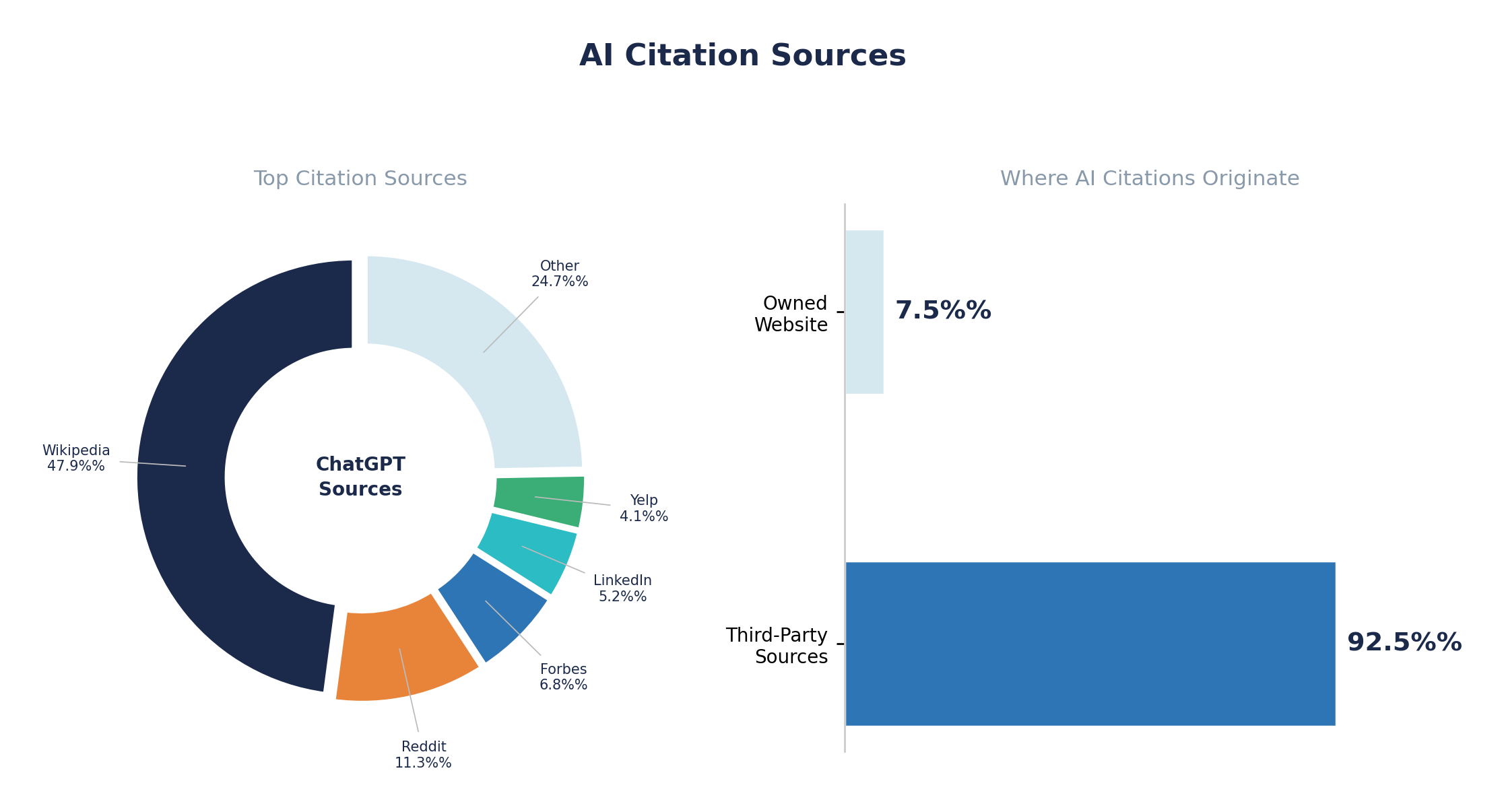
Figure 1: Traditional search vs. AI-mediated discovery. In the new model, AI decides which brands to cite.
McKinsey's research reveals that a brand's own websites typically comprise only 5 to 10 percent of the sources AI-search references. The remaining 90 to 95 percent comes from third-party sources: affiliate sites, reviews, industry publications, and earned media. Optimizing only owned properties is necessary but radically insufficient.
1.3 GEO: A New Optimization Discipline
The Princeton University GEO study (ACM SIGKDD 2024) formalized Generative Engine Optimization using a benchmark of 10,000 diverse queries. The researchers demonstrated that specific content optimization strategies can boost source visibility by up to 40 percent in generative engine responses.
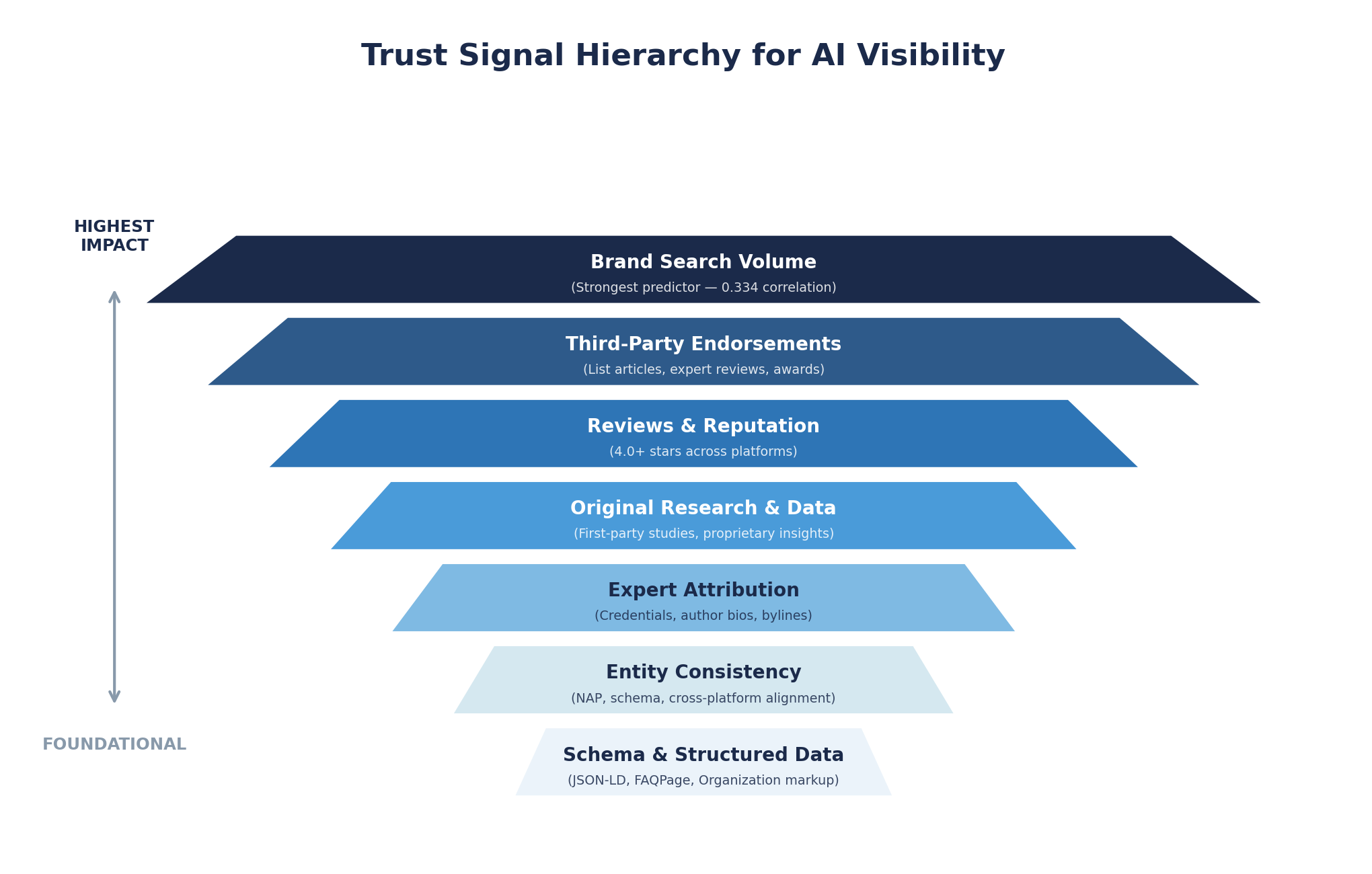
Figure 2: Trust Signal Hierarchy for AI Visibility. Brand search volume is the strongest single predictor of citation.
The most critical finding deserves emphasis: traditional keyword optimization—the backbone of two decades of SEO practice—actually reduced AI visibility by approximately 10 percent. AI systems reward citations, statistics, authoritative language, and expert quotations—not keyword density. This directly challenges legacy SEO assumptions.
2. Trust Signals: How AI Systems Evaluate Credibility
2.1 The AI Trust Pipeline
AI systems rely on cascading layers of trust signals to determine which sources are authoritative and safe to cite. Understanding this pipeline is essential for any organization seeking AI visibility.
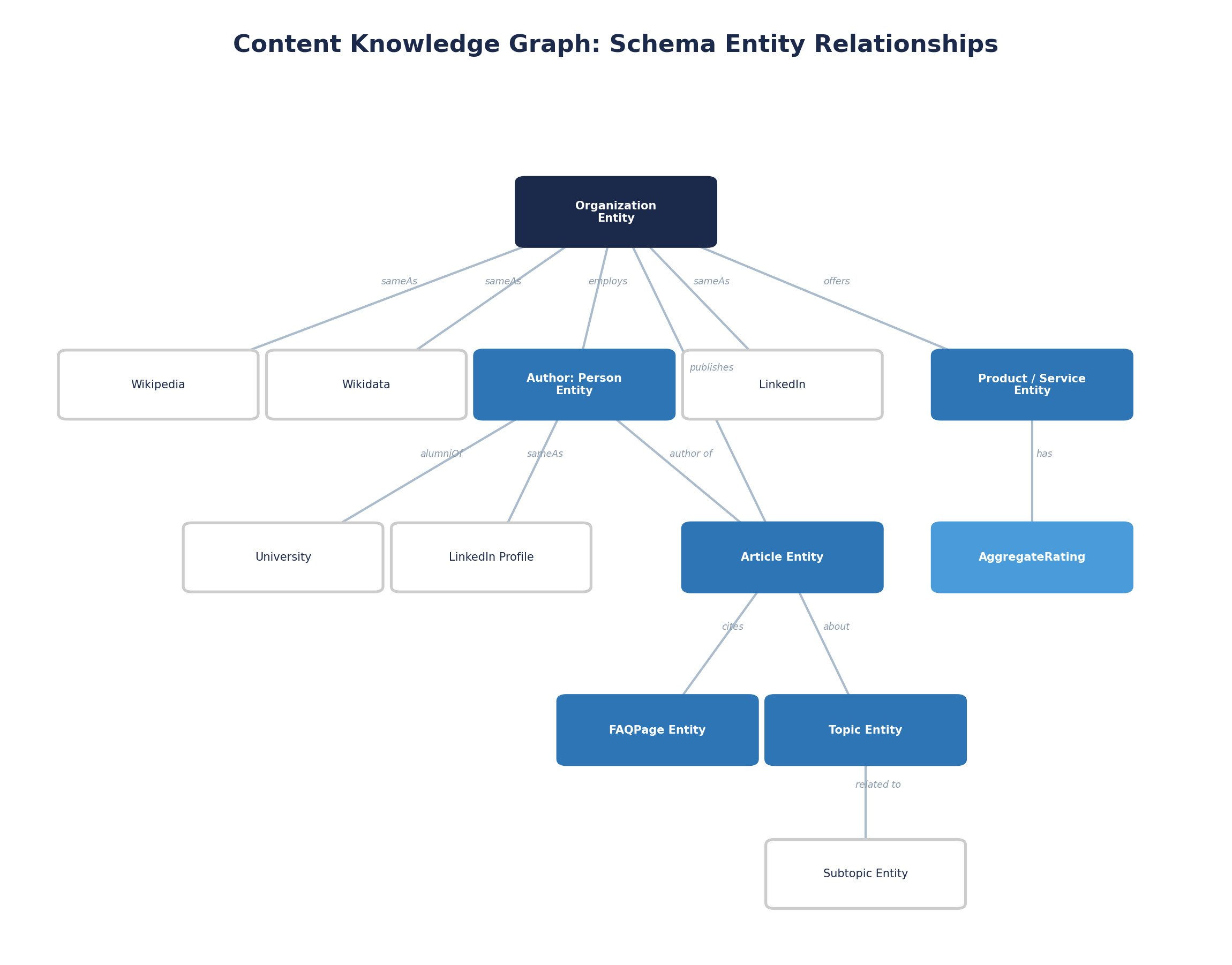
Figure 3: The four-stage AI trust pipeline. Different signals influence citation decisions at each stage.
At each stage, different signals influence whether content earns citation:
- Discovery: Clear robots directives, canonical tags, and stable URLs prevent duplicate content from diluting reliability
- Parsing: Clean HTML hierarchy, descriptive headings, and schema help AI systems understand meaning
- Embedding: Entity consistency across platforms strengthens confidence
- Generation: The system weighs recency, depth, third-party validation, and factual precision
2.2 E-E-A-T as an AI Credibility Framework
Google's E-E-A-T framework—Experience, Expertise, Authoritativeness, and Trustworthiness—originally developed for human quality raters, has become foundational for AI sourcing patterns. Research from Fractl, Search Engine Land, and MFour (n=2,302 consumers, 810 marketers, May 2025) identified three convergent signals that predict AI citation:
- Authority: Citations, mentions, and third-party references
- Originality: First-party research, proprietary data
- Trust: Cross-platform consistency and credible presentation
2.3 The Role of Reviews and Reputation
First Page Sage's research (11,000+ generative AI queries) found that awards, honors, and reviews have a significantly larger impact on AI recommendation than previously understood. Products or services with below-average reviews (below approximately 3.5 of 5 stars) are substantially less likely to receive AI recommendation.
2.4 Entity Consistency and Brand Search Volume
Entity consistency means ensuring that your organization's name, description, and offerings match across every platform where you appear. Inconsistency can confuse AI entity resolution and weaken citation confidence.
An emerging and counterintuitive finding: brand search volume—not backlinks—is the strongest single predictor of AI citations, with a 0.334 correlation coefficient. Brand-building activities that previously seemed disconnected from SEO now directly impact AI visibility.
| Trust Signal Category | Key Actions | Impact on AI Citation |
|---|---|---|
| Authority / Reputation | Earn media coverage, industry awards, directory placements | Primary driver of which brands get mentioned |
| Reviews & Social Proof | Maintain 4.0+ ratings; solicit verified reviews | Below-average reviews reduce AI recommendation |
| First-Party Research | Publish proprietary data, benchmark studies | Provides citable material no competitor can replicate |
| Expert Attribution | Author bios, credentials, linked profiles | Strengthens E-E-A-T signals |
| Brand Search Volume | Invest in PR, thought leadership, awareness | Strongest single predictor (0.334 correlation) |
3. Structured Data and Schema Markup for AI
3.1 Schema as a Machine-Readable Authority Layer
In March 2025, both Google and Microsoft publicly confirmed that they use schema markup for their generative AI features. Google stated that structured data is critical for modern search because it is efficient, precise, and machine-processable. ChatGPT subsequently confirmed it uses structured data to determine which products appear in results.
A benchmark study by Data World found that LLMs grounded in knowledge graphs achieve 300 percent higher accuracy compared to unstructured data alone. BrightEdge research showed a 44 percent increase in AI citations for sites with structured data and FAQ blocks.
3.2 Priority Schema Types for AI Visibility
| Schema Type | Purpose for AI | Critical Attributes |
|---|---|---|
| Organization | Establishes entity identity and trust | @id, name, url, sameAs, foundingDate |
| Person (Author) | Validates expertise and E-E-A-T | name, jobTitle, worksFor, sameAs, knowsAbout |
| Product / Service | Drives commercial recommendations | name, description, offers, aggregateRating |
| Article / Blog | Supports content citation | headline, datePublished, author, publisher |
| FAQPage | Provides extractable Q&A pairs | Question/acceptedAnswer pairs |
3.3 Content Knowledge Graphs
Leading implementations extend beyond individual page-level schema to create interconnected Content Knowledge Graphs—linked entity relationships that span an entire site.
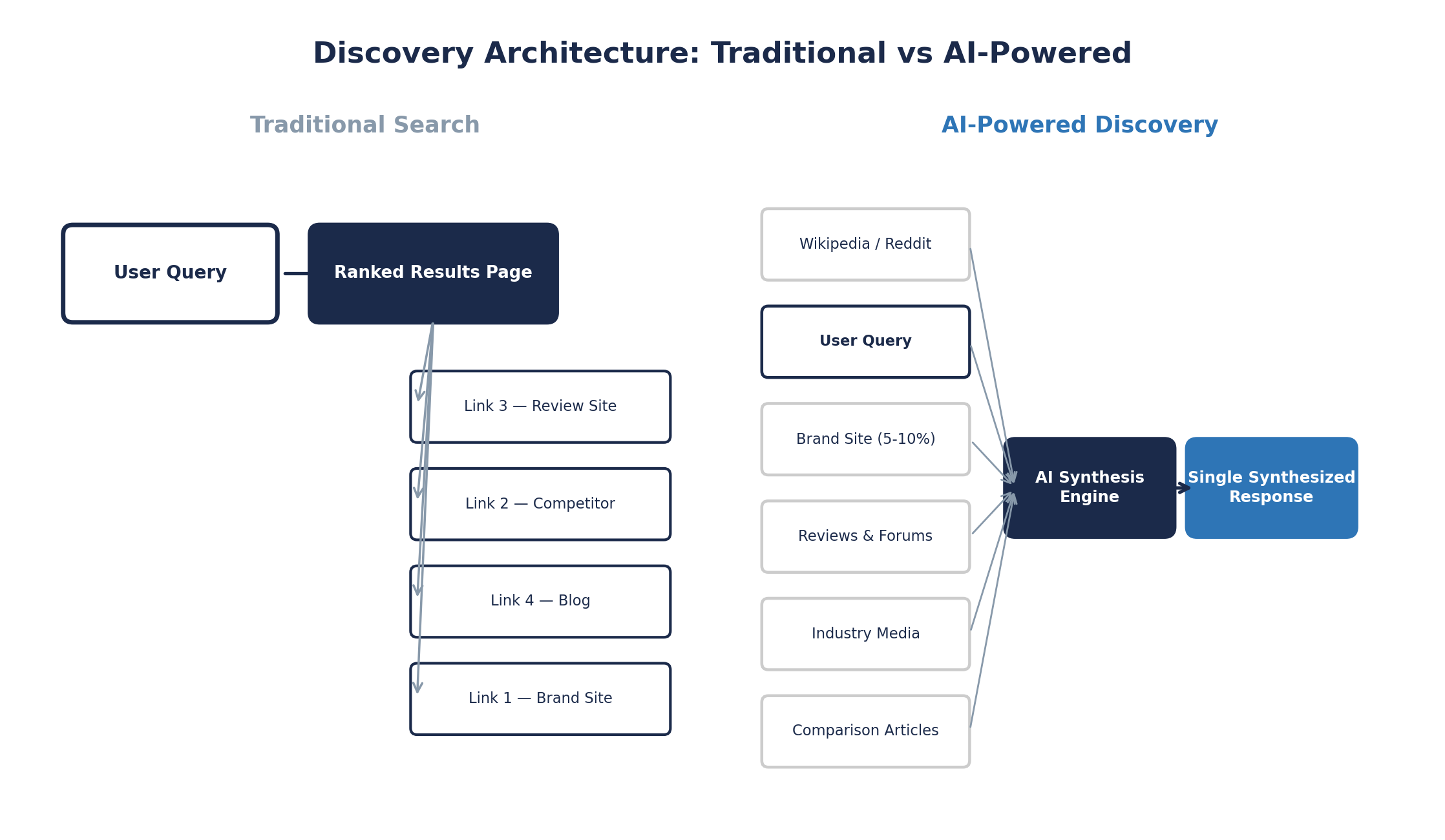
Figure 4: A Content Knowledge Graph connecting entities across schema types via @id and sameAs relationships.
4. Content Architecture for AI Consumption
4.1 Structural Optimization
AI systems do not experience websites the way humans do. They parse content into chunks, embed it as vectors, and retrieve the most semantically relevant segments during response generation. Content structure directly impacts whether information is selected, understood, and cited.
- Answer-first structure: Lead pages and sections with direct, definitive answers to the questions they address
- Descriptive, hierarchical headings: Use H1-H4 tags that accurately describe section content
- Topic cluster architecture: Organize content around comprehensive topic clusters rather than isolated pages
- Depth over breadth: Research found articles exceeding 10,000 words with strong readability received dramatically more citations (187) versus under 4,000 words (3 citations)
4.2 Content Types That Earn AI Citations
- Comparison and list articles: AI chatbots frequently reproduce content from highly-ranked comparison tables
- Original research and proprietary data: Benchmark studies and unique datasets give AI a reason to cite your organization specifically
- Expert commentary and analysis: Named experts with verifiable credentials provide authoritative citable material
- Comprehensive FAQ resources: FAQ content with clear question-answer pairs aligns with how users query AI assistants
- Case studies with quantified outcomes: Concrete results with specific metrics provide defensible claims AI systems prefer to cite
5. Technical Infrastructure for AI Accessibility
5.1 AI Crawler Management
Critical: JavaScript Rendering
Many AI crawlers do not render JavaScript. Content hidden behind client-side rendering, dynamic loading, dropdowns, or interactive widgets is likely invisible to AI systems. Serve all critical information in clean, server-rendered HTML. This is the single most common technical blocker for AI visibility.
Key crawlers that organizations should explicitly allow and monitor include: GPTBot (OpenAI), ChatGPT-User, ClaudeBot (Anthropic), Google-Extended, PerplexityBot, and BingBot (which also serves Copilot).
5.2 The llms.txt Specification
Proposed by Jeremy Howard of Answer.AI in September 2024, llms.txt is an emerging standard that provides AI systems with a curated, Markdown-formatted file listing a site's most important resources. Placed in a website's root directory, it functions as a complement to robots.txt specifically designed for LLM consumption.
5.3 Technical Checklist
| Technical Element | Action Required | Priority |
|---|---|---|
| JavaScript Rendering | Implement SSR or pre-rendering for critical information | Critical |
| Robots.txt | Explicitly allow GPTBot, ClaudeBot, PerplexityBot | Critical |
| HTML Semantics | Use semantic tags (article, section, nav) | Critical |
| Schema Markup | Implement JSON-LD for Organization, Person, Product, FAQ | Critical |
| llms.txt | Create Markdown file with curated resource links | Medium |
6. Measurement and KPI Framework
6.1 New Metrics for a New Paradigm
Traditional SEO metrics—keyword rankings, click-through rates, organic sessions—are insufficient for measuring AI visibility. The shift from clicks to citations demands new measurement frameworks.
| Metric | Description | Target Benchmark |
|---|---|---|
| AI Citation Frequency | How often your brand appears in AI answers | >50% of category queries |
| Share of Voice (AI) | Your brand mentions vs. competitors | >20% in primary category |
| Citation Sentiment | Whether AI accurately represents your brand | 90%+ accurate, positive |
| AI-Referred Traffic | Visits and conversions from AI platforms | Track via GA4; growing 30%+ QoQ |
6.2 Platform-Specific Citation Patterns
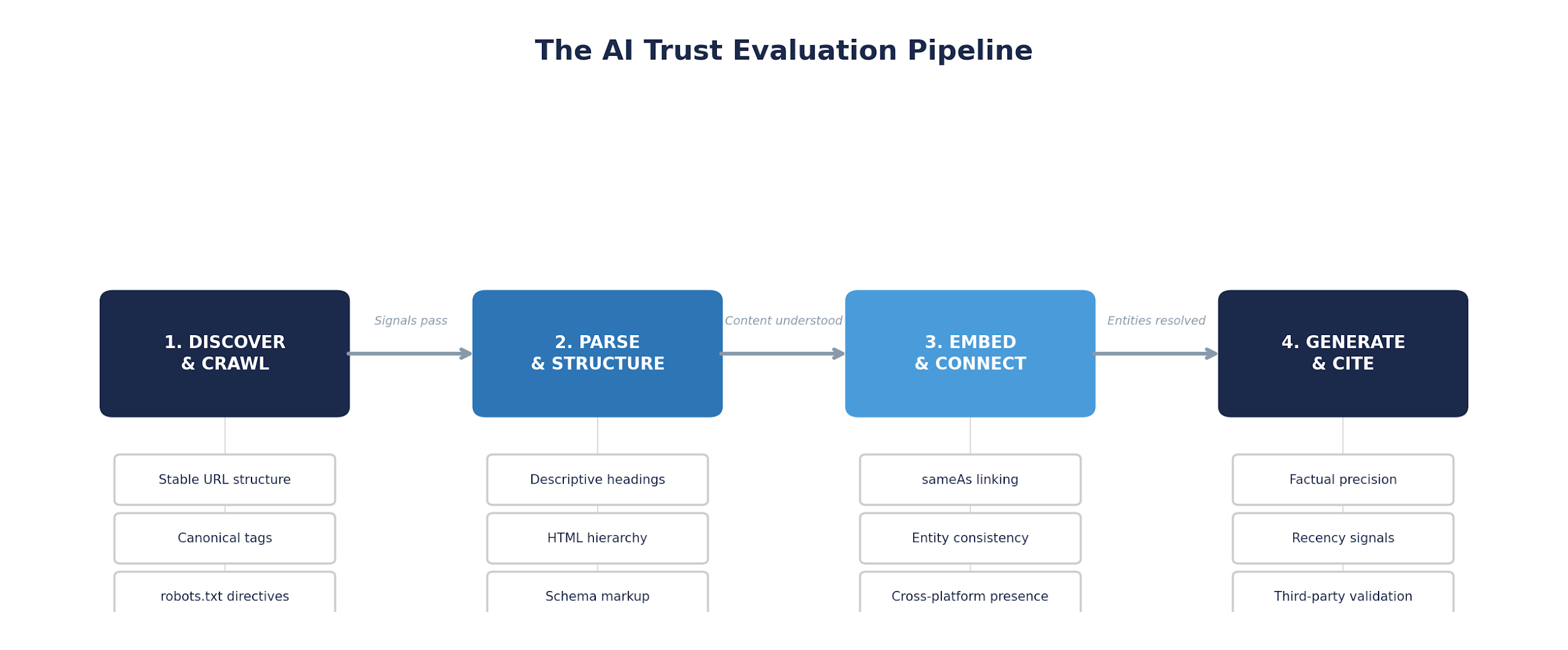
Figure 5: ChatGPT citation source distribution. Wikipedia dominates at 47.9%, while brand sites represent only 5–10%.
AI platforms exhibit distinct citation behaviors. Only 11 percent of domains are cited by both ChatGPT and Perplexity, highlighting the need for cross-platform optimization.
7. Implementation Roadmap
The following phased roadmap provides a realistic, resource-aware timeline for enterprise GEO adoption.
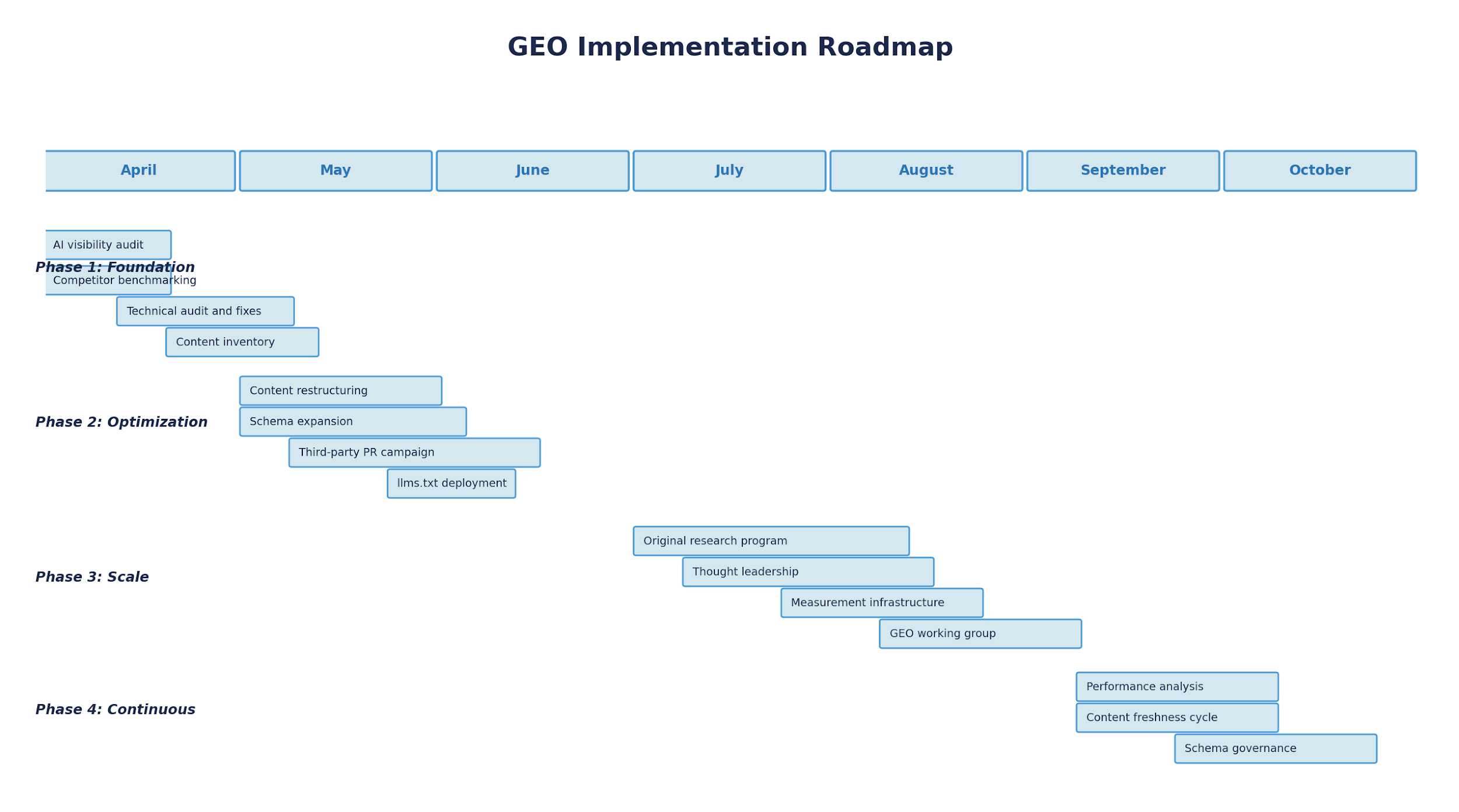
Figure 6: Gantt-style implementation timeline. Phases overlap to maintain momentum.
Phase 1: Foundation (Weeks 1–4)
- Audit current AI visibility across ChatGPT, Gemini, Perplexity, and Claude
- Benchmark competitors and identify citation drivers
- Technical audit: robots.txt, basic schema, Core Web Vitals
- Content inventory of high-priority pages
Phase 2: Optimization (Weeks 5–12)
- Content restructuring with answer-first introductions and FAQ sections
- Schema expansion with complete attributes and @id links
- Third-party strategy: digital PR, comparison article placement, reviews
- Technical implementation: llms.txt, HTML semantics, SSR
Phase 3: Scale (Weeks 13–24)
- Original research program with proprietary data and frameworks
- Thought leadership expansion in trade publications
- Measurement infrastructure: AI citation monitoring tools
- Cross-functional GEO governance working group
Strategic Implications and Conclusion
The transformation from traditional search to AI-mediated discovery represents the most significant structural shift in digital marketing since search engines themselves emerged. Organizations that treat GEO as a peripheral SEO tactic will find themselves increasingly invisible to the growing share of buyers who rely on AI assistants for research and recommendation.
Three strategic imperatives emerge from this analysis:
- GEO is a board-level priority. With AI-powered search already the primary discovery channel for 44 percent of users—and growing—AI visibility directly impacts revenue and competitive positioning.
- Invest in authority, not manipulation. The Princeton GEO study's most important finding may be that keyword optimization reduces AI visibility. AI systems reward genuine expertise, original insight, and verifiable credibility.
- Build the semantic infrastructure now. Structured data, Content Knowledge Graphs, llms.txt, and MCP readiness are foundations of the agentic web.
By 2028, industry analysts project that 75+ percent of search queries will include an AI-generated component. By 2030, autonomous AI agents—not humans—may initiate the majority of B2B procurement research. The organizations that understand AI optimization as a strategic evolution will define how their categories are presented to the next generation of buyers.
References
Aggarwal, P., Murahari, V., Rajpurohit, T., Kalyan, A., Narasimhan, K., & Deshpande, A. (2024). "GEO: Generative engine optimization." ACM SIGKDD 2024.
BrightEdge. (2025). "AI search visits surging in 2025." BrightEdge Research Reports.
Data World. (2024). "LLMs grounded in knowledge graphs: Accuracy benchmark study."
First Page Sage. (2025). "Generative engine optimization (GEO) strategy guide."
Growth Marshal. (2026). "Schema markup and AI citation rates: A peer-reviewed study."
Howard, J. (2024). "llms.txt specification." Answer.AI.
Libert, K. (2025). "How AI is reshaping SEO." Search Engine Land / Fractl.
McKinsey & Company. (2025). "New front door to the internet: Winning in the age of AI search."
Schema App. (2025). "What 2025 revealed about AI search and the future of schema markup."
Download Complete Whitepaper PDF
Get the full analysis including all figures, implementation checklists, complete references, and actionable frameworks for your GEO strategy.
Turn this research into an implementation plan
Ask Apotheon to map this resource to your controls, stakeholders, and rollout milestones.
Apply this guidance to your AI roadmap
Use the Marketing to AI - Apotheon.ai recommendations to shape a governed implementation plan with Apotheon.
Glossary and definitions
Governance runtimeA control plane that evaluates agent actions against policy, risk, identity, audit, and approval requirements while work is happening.Evidence chainA tamper-evident record of prompts, tool calls, approvals, outputs, and policy decisions used to support audits and investigations.Human oversightDocumented points where qualified reviewers can approve, reject, pause, or escalate AI-driven actions.Least privilegeA security pattern that grants agents only the tools, data, and actions required for the current task.Ready to operationalize these controls?
Talk with Apotheon about turning this guidance into governed AI workflows, measurable evidence, and production-ready policy enforcement.